What started as a fairly niche import trend, driven largely by word of mouth and small scale sourcing, has grown into something far more established. Japanese domestic engines have moved from a hobbyist curiosity into a genuine, recognized segment of the U.S. aftermarket industry, complete with dedicated shops, distributors, and a supply chain that looks nothing like it did even a decade ago.
From Niche Import to Established Aftermarket Segment
The shift has been gradual but significant. Where sourcing an engine once meant relying on a small network of personal connections or a handful of specialty importers, Japanese domestic engines are now supported by a much broader infrastructure of dedicated distributors, specialized shops, and established shipping relationships built specifically around this segment.
This maturity shows up in how the business itself operates. What used to be treated as a side hustle for a handful of import enthusiasts has become a legitimate business category, with shops that specialize exclusively in sourcing, testing, and selling these engines rather than treating it as a minor sideline to general repair work.
What’s Driving Continued Demand
A few converging factors help explain why demand has continued rather than fading as a passing trend:
- Rising cost of new performance vehicles. As new performance oriented cars become more expensive, imported engines offer a more accessible path to factory level performance without that price tag.
- Reputation for factory engineering. Certain Japanese domestic engines built a reputation for durability and performance capability that’s held up well over time, keeping demand steady even as newer alternatives emerge.
- Expanding import eligible pool. Each year, more vehicles cross the 25 year import threshold, continuously expanding the range of engines available to the U.S. market.
- Maturing aftermarket parts support. As demand has grown, the aftermarket parts ecosystem supporting these engines has grown alongside it, making ownership and builds significantly more practical than they once were.
How the Supply Chain Has Matured
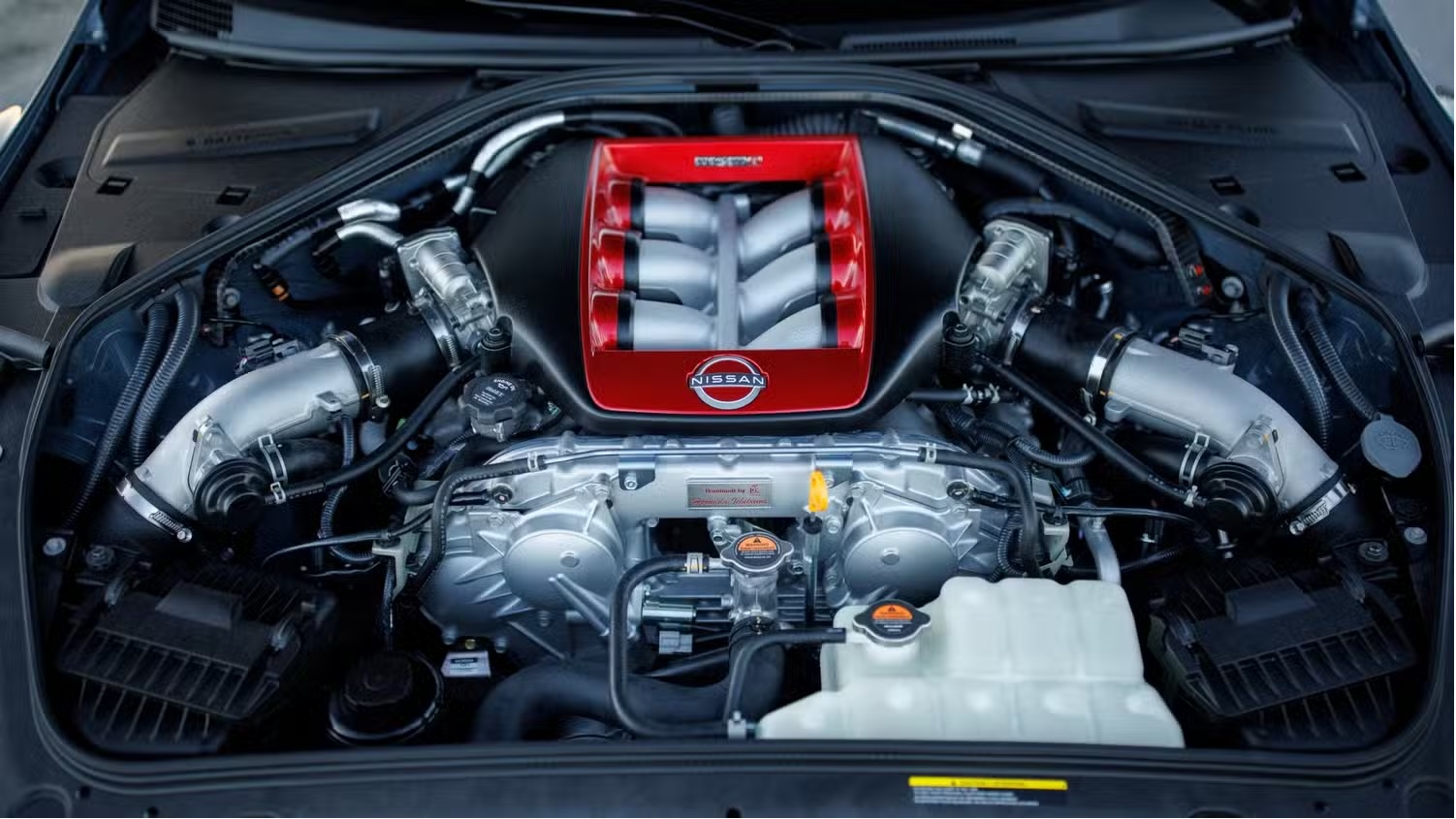
The way these engines move from Japan to U.S. buyers has changed considerably. Established import relationships now mean more consistent quality and availability compared to the more scattered sourcing that characterized the segment in its earlier years. Documentation practices have improved too, with auction sheets and verified mileage records becoming far more standard than they once were, giving buyers and shops alike more confidence in what they’re actually purchasing.
Specialization has increased as well. Rather than general import shops handling engines as one of many services, more businesses now focus specifically on this segment, developing expertise in testing, sourcing, and verifying engines before they ever reach a buyer.
Where the Segment Is Likely Headed
Looking ahead, a few trends seem likely to continue shaping the space. The pool of import eligible vehicles will keep expanding as more models cross the 25 year threshold, which should continue feeding new inventory into the market for years to come. At the same time, as the segment grows in visibility, it’s reasonable to expect increased scrutiny at the state level, particularly around emissions compliance and registration requirements, which may require the industry to adapt in ways it hasn’t had to previously.
Shops and distributors that have already built solid documentation and compliance practices are likely better positioned to handle that scrutiny than those still operating more informally.
A Fixture, Not a Trend
What began as a niche corner of the automotive world has settled into a genuine, lasting segment of the U.S. aftermarket. Between growing demand, a maturing supply chain, and an expanding pool of eligible vehicles, Japanese domestic engines have moved well past being a passing fad and into something closer to a permanent fixture of the industry landscape.